
Bathroom
5 signs your bathroom needs waterproofing before it’s too late
Bathroom seepage announces itself long before the ceiling below starts dripping. Five early signs worth acting on, and what each one usually turns out to be.
Mahadev Waterproofing, Thane West
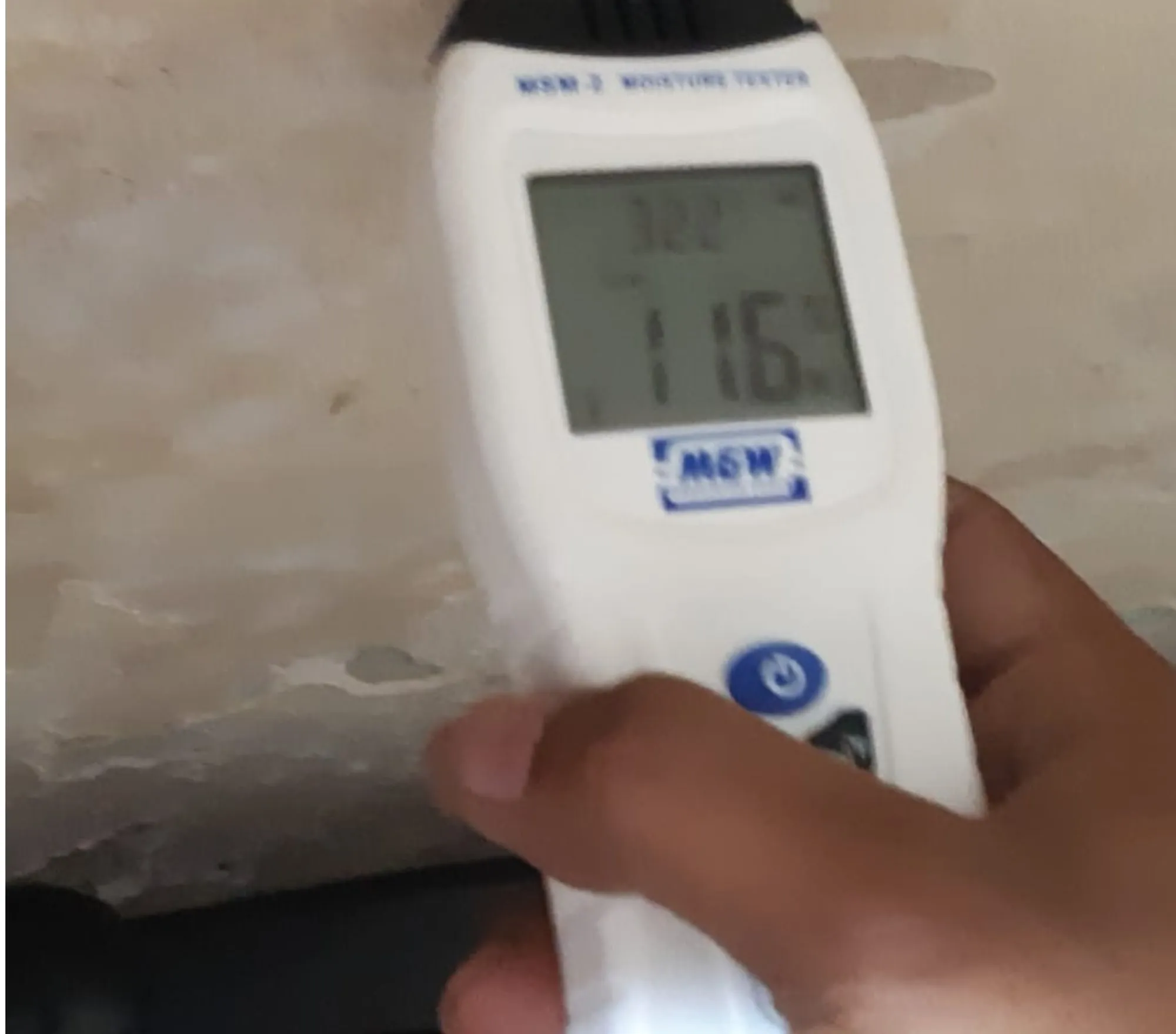
By the time water is dripping through the ceiling of the flat below, the bathroom above has been leaking for months. Sunken bathrooms hold the water in the filling first, then saturate the slab, and only then does it appear downstairs. The useful signs are all earlier and quieter than that — here are the five worth acting on.
1. A damp patch on the outside of the bathroom wall
Not inside the bathroom. Outside it — the bedroom or passage wall that shares the bathroom’s wet wall. It usually shows up about 300 mm above the floor, roughly the height of the shower splash zone, and it means water is getting past the tiling and into the masonry.
Painting over it does nothing, because the water is inside the wall. What it needs is the plaster off, the moisture path blocked and a properly tanked wet wall behind the tiles.
2. Grout going dark, or tiles sounding hollow
Tap the floor tiles with a coin. A solid tile answers with a sharp click; a debonded one sounds hollow. Debonding near a floor trap or along the wall junction means water has been sitting under the tile long enough to break the adhesive down.
Dark, permanently damp grout lines in the same area are the same story from the other side.
3. A smell that comes back after cleaning
If the bathroom smells musty within a day of being cleaned, and the drainage traps are fine, the smell is usually water standing in the sunken filling with nowhere to go. That is stale water sitting against your slab, and it will not clear itself.
4. Efflorescence — white powder on the wall or ceiling below
The chalky white deposit on a ceiling or wall is salt left behind as water evaporates out of the concrete. Wipe it off and it comes back. It is the clearest possible evidence that water is moving through the structure, and it means the leak is well established rather than new.
5. Paint blistering on the ceiling of the flat below
The last of the five, and the one where the conversation stops being about your bathroom and starts being about your neighbour’s ceiling. At this stage the slab is saturated, and the repair now includes drying it out and making good below, not just re-tanking above.
What the fix actually involves
A proper sunken bathroom job is not a coating painted over the tiles. It is:
- Floor tiles and about 300 mm of the wall course lifted
- The sunken portion cleaned out and cement-slurry primed
- Polymer-modified cementitious tanking taken up the wall
- Pipe collars and internal corners reinforced with fibre mesh
- A 24-hour flood test before anything is backfilled or re-tiled
Four to five days, including the test. If you have only one bathroom, it can be phased so you are not without it overnight.
Whose problem is it?
If the seepage is showing in the flat below yours, it is almost always the bathroom above — and almost always the plumbing junctions rather than the slab itself. We scan both flats before quoting anything, so what you and your neighbour end up with is a written diagnosis instead of an argument. In a housing society that written report is usually what allows the committee to act.
The inspection is free across Thane West, Mulund, Ghatkopar and Andheri. See how we do bathroom waterproofing, or call +91 99875 06070.